

India Semiconductor Mission 2.0 Seeks to Anchor India in Global Supply Chains
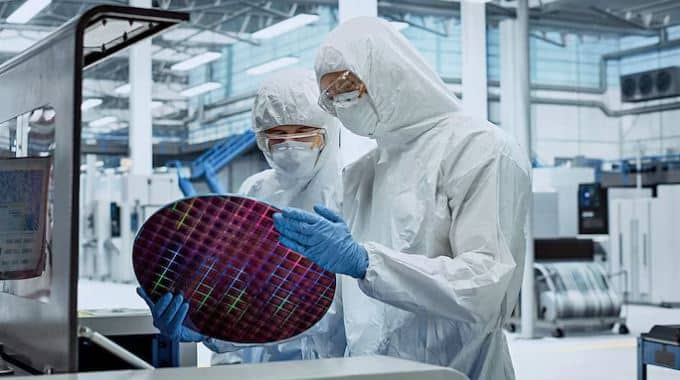
India is accelerating its push to become a major force in the global semiconductor industry. A significant milestone is now within reach. The first semiconductor facility at Sanand in Gujarat is set to begin commercial production by the end of February.
This development marks a historic step in India’s long journey to build a domestic high technology manufacturing ecosystem. At the same time, the Union Budget has outlined the next phase of expansion through the launch of India Semiconductor Mission 2.0.
Sanand Emerges as India’s Silicon Hub
Sanand is fast transforming into India’s new silicon chip hub. The upcoming production rollout will place India among nations with operational semiconductor fabrication capabilities.
For years, India relied heavily on chip imports. However, rising global supply disruptions and geopolitical tensions exposed the risks of this dependence.
Therefore, establishing fabrication plants within the country has become a strategic priority.
The Sanand facility represents not just industrial progress but also technological self reliance.
India Semiconductor Mission 2.0 Takes Shape
To build on this momentum, the government has introduced ISM 2.0. This second phase aims to deepen India’s integration into global chip supply chains.
Unlike the first phase, which focused mainly on fabrication incentives, ISM 2.0 adopts a broader approach.
It targets the development of a complete semiconductor ecosystem that includes:
- Chip fabrication units
- ATMP and packaging facilities
- Design innovation hubs
- Supply chain infrastructure
As a result, India aims to move from being a chip consumer to a global semiconductor producer.
Focus on Equipment and Intellectual Property
A key pillar of ISM 2.0 is the push toward semiconductor equipment manufacturing and intellectual property creation.
This focus is critical. Chip fabrication depends heavily on imported machinery and patented technologies.
By investing in domestic equipment and IP development, India hopes to reduce external dependence. Moreover, this strategy will help Indian firms capture greater value within the supply chain.
It also encourages R and D investments, innovation, and high skill employment.
Production Targets for the Next Decade
India has set ambitious chip production goals for the coming years. Policymakers are targeting substantial output growth between 2030 and 2032.
These targets align with rising domestic demand from sectors such as:
- Consumer electronics
- Automobiles and EVs
- Telecommunications
- Defence manufacturing
- Artificial intelligence hardware
Meeting these goals will strengthen India’s position in global electronics manufacturing.
Strategic Importance in Global Supply Chains
Semiconductors are now central to economic and national security. Nations worldwide are racing to secure reliable chip supplies.
Through ISM 2.0, India aims to anchor itself firmly in global semiconductor supply chains.
This integration will:
- Attract foreign investment
- Strengthen technology partnerships
- Boost exports
- Create high value jobs
Furthermore, it reduces vulnerability to global shortages.
A Long Term Technology Bet
The semiconductor push reflects a long term national strategy. Building fabrication capacity requires massive capital, advanced skills, and policy stability.
However, the potential rewards are equally large.
With Sanand’s production launch and ISM 2.0 underway, India is positioning itself as a serious contender in the global chip manufacturing race.
The coming decade could determine how firmly India secures its place in the world’s semiconductor value chain.