
Introduction
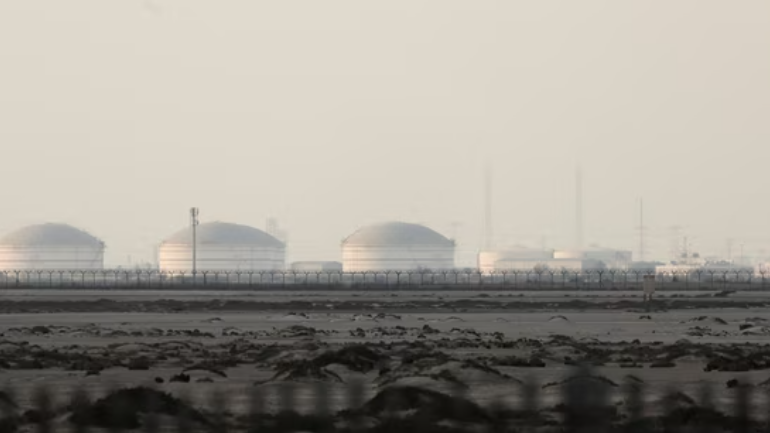
A major escalation in the Middle East conflict has shaken global energy markets after Iranian missile strikes hit Qatar’s Ras Laffan Industrial City, home to the world’s largest liquefied natural gas (LNG) facility. The attack has caused extensive damage, triggering concerns over global gas supply disruptions and rising energy prices.
Key Details of the Attack
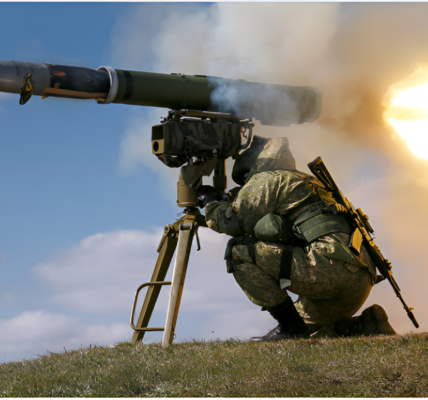
Iran launched multiple missiles targeting Qatar’s primary LNG hub:
- Ras Laffan Industrial City, the world’s largest LNG export facility, was struck
- Several missiles were intercepted, but at least one hit the site
- Fires broke out following the impact, causing significant infrastructure damage
- Authorities confirmed no immediate casualties
The facility plays a crucial role in global energy supply, making the attack highly significant.
Why Iran Targeted Qatar’s LNG Facility
The strike is part of a broader escalation in the ongoing regional conflict.
- Iran launched the attack in retaliation for strikes on its South Pars gas field
- The South Pars field is one of the world’s largest gas reserves
- The conflict involves rising tensions between Iran, Israel, and allied forces
This marks a shift toward targeting critical economic infrastructure rather than purely military sites.
Importance of Ras Laffan LNG Facility
Ras Laffan is one of the most critical energy hubs in the world:
- Accounts for a significant share of global LNG supply, estimated around 20 percent
- Supplies major markets across Asia and Europe
- Hosts key infrastructure operated by global energy companies
Any disruption at this facility has immediate global consequences.
Global Energy Market Impact
The attack has already triggered shockwaves across global markets:
- Oil prices surged above 110 dollars per barrel
- LNG supply disruptions are expected to affect Asia and Europe
- Fears of prolonged shortages have increased
Analysts warn that continued attacks could lead to a major global energy crisis.
Regional Escalation and Security Concerns
The strike is part of a wider pattern of attacks across the Gulf region:
- Energy facilities in the UAE and Saudi Arabia have also been targeted
- Air defenses intercepted multiple missiles across the region
- Governments have condemned the attacks as threats to global security
The situation raises concerns about the safety of critical infrastructure and shipping routes, especially near the Strait of Hormuz.
Risk to Global Supply Chains
The disruption of Qatar’s LNG exports could have far-reaching consequences:
- Asia, including countries like India, Japan, and South Korea, heavily rely on LNG imports
- Energy shortages could impact industries and electricity supply
- Shipping routes may face delays or closures due to security risks
Experts warn that prolonged instability could reshape global energy trade patterns.
Conclusion
The missile strike on Qatar’s Ras Laffan LNG facility marks a dangerous escalation in the Middle East conflict. As one of the world’s most critical energy hubs suffers damage, the ripple effects are being felt across global markets.
With tensions still rising, the incident highlights the vulnerability of key infrastructure and the urgent need for diplomatic solutions to prevent a deeper global energy crisis.