White House Press Dinner Shooting: Suspect’s Manifesto Reveals Anti-Christian Views, Trump Calls Him “Sick”

Introduction
A shocking security incident unfolded during the prestigious White House Correspondents’ Dinner in Washington, D.C., when a gunman attempted to breach the event venue. The incident raised serious concerns about political violence and security lapses in high-profile gatherings.
According to reports, the suspect’s manifesto and motives have become central to the ongoing investigation.
What Happened at the White House Dinner?
The shooting occurred on April 25, 2026, outside the Washington Hilton, where the annual White House Correspondents’ Dinner was being held.
- Gunfire broke out near the main security checkpoint
- The suspect attempted to enter the venue
- Secret Service agents quickly intervened and subdued the attacker
- One officer was hit but protected by a bulletproof vest
Importantly, top officials including Donald Trump were safely evacuated, and no fatalities were reported.
Who Is the Suspect?
Authorities identified the suspect as Cole Tomas Allen, a 31-year-old from California.
Reports indicate that:
- He traveled across the country before the attack
- He carried multiple weapons, including a firearm and knives
- He allegedly attempted to target high-level government officials
Investigators believe the attack may have been politically motivated, although the full motive is still under investigation.
The Manifesto: Key Revelations
One of the most disturbing aspects of the case is the suspect’s manifesto, reportedly sent to family members before the attack.
Key points include:
- The suspect referred to himself as a “friendly federal assassin”
- He expressed anger toward the US administration
- The writings suggested radicalization and ideological shifts
Additionally, President Donald Trump stated that the manifesto contained anti-Christian sentiments, describing it as evidence of deep hatred.
Trump’s Reaction
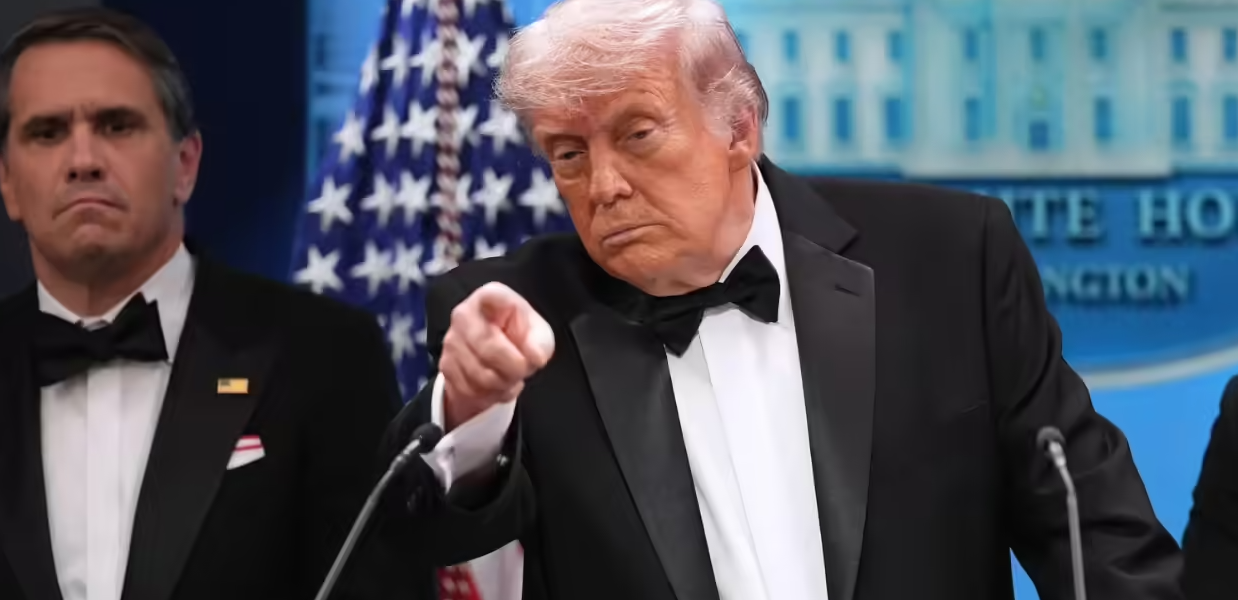
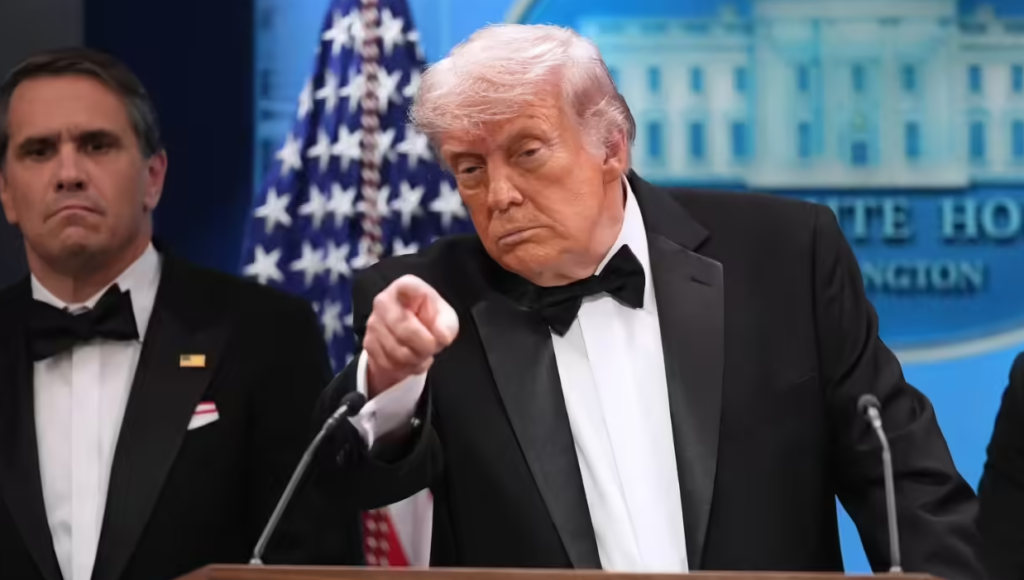
Following the incident, Donald Trump strongly condemned the attacker.
- He described the suspect as a “pretty sick guy”
- He claimed the attacker had been “radicalised”
- He suggested the motive could be linked to religious hostility
Trump also criticized the media’s handling of the manifesto, particularly the public discussion of its contents.
Security Concerns and Political Impact
The incident has sparked fresh debate over:
- Security arrangements at high-profile political events
- Rising political extremism in the United States
- The role of online radicalization
Experts warn that such incidents highlight the growing risks faced by public figures and institutions.
Conclusion
The White House press dinner shooting serves as a stark reminder of the challenges posed by political violence and radical ideologies. While swift action by security forces prevented a major tragedy, the incident underscores the need for stronger preventive measures.
As investigations continue, authorities are focusing on understanding the suspect’s motivations and ensuring such breaches do not occur again.