
Political Humour Masks High Stakes Power Shift
As Bangladesh heads into its first general election after the fall of Sheikh Hasina’s government, the political mood is a mix of humour and tension.
A popular saying circulating in Dhaka captures the moment. Many joke that regardless of the outcome, the next prime minister will be a “Rahman.” The remark points to the leading contenders, Tarique Rahman of the Bangladesh Nationalist Party and Dr Shafiqur Rahman of Jamaat e Islami.
However, beneath the humour lies a deeply consequential election that could reshape Bangladesh’s political and diplomatic trajectory.
First Election Since Hasina Era Ended
This vote marks the first national electoral test since the dramatic political upheaval of 2024 that ended Sheikh Hasina’s long rule.
Her exit created a political vacuum. Since then, competing forces have mobilised to shape the country’s next phase.
Established parties are attempting to regain influence. At the same time, reform driven groups born out of street protests are entering mainstream politics.
Therefore, this election represents both continuity and disruption.
Generational Shift Reshaping Politics
One of the defining features of this election is the rise of a new political generation.
Young leaders and activists who gained prominence during protest movements are now part of the national conversation.
They are campaigning on governance reforms, anti corruption platforms, and institutional accountability.
As a result, Bangladesh’s political discourse is shifting away from personality centric politics toward policy driven debates.
This generational churn could permanently alter the country’s leadership pipeline.
Constitutional Reforms on the Ballot
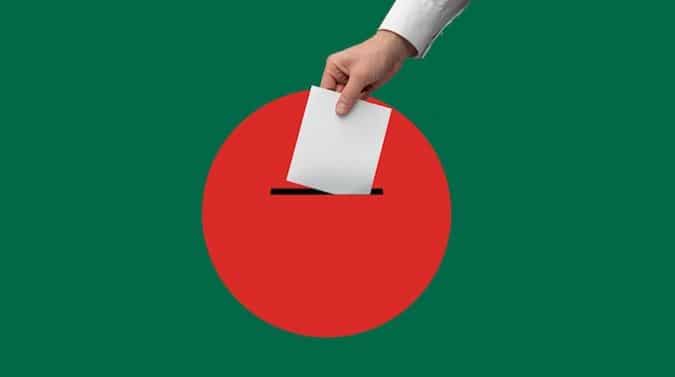
The parliamentary elections are not the only decision voters will make.
Citizens will also vote on a proposed constitutional reform charter. The charter outlines sweeping changes across multiple governance pillars, including:
- Electoral system reforms
- Administrative restructuring
- Judicial accountability measures
- Education policy changes
If approved, these reforms could redefine how Bangladesh’s democratic institutions function.
Therefore, the ballot carries both political and structural consequences.
Implications for India Bangladesh Relations
For India, the Bangladesh election carries major strategic importance.
New Delhi has historically maintained close ties with Dhaka, particularly during Hasina’s tenure.
However, a leadership shift could recalibrate bilateral diplomacy, trade cooperation, and security coordination.
India will closely watch the foreign policy posture of the incoming government, especially on:
- Regional connectivity projects
- Border management
- Trade corridors
- China’s regional influence
Consequently, the election outcome may reshape India Bangladesh strategic engagement.
High Stakes Behind the Light Hearted Mood
While humour dominates public conversations, the underlying political stakes remain high.
The election brings together ideological rivals, protest era reformists, and legacy political actors in one contest.
Voters are not just choosing a government. They are shaping the country’s constitutional direction and foreign policy priorities.
A Turning Point for Bangladesh
As Bangladesh votes in its first post Hasina election, the result will define more than political leadership.
It will signal the strength of democratic institutions, the success of reform movements, and the direction of regional diplomacy.