

Introduction
Japan is witnessing a strong wave of wage growth as major companies agree to substantial salary increases during the annual spring labor negotiations, known as “shunto.” The 2026 round signals continued momentum in pay hikes, reflecting economic pressures, labor shortages, and efforts to boost consumer spending.
Key Highlights of 2026 Wage Negotiations
Major Japanese firms across industries have responded positively to union demands:
- Leading companies fully accepted pay hike requests from labor unions
- Monthly wage increases in some sectors reached around 18,000 yen
- Automakers and electronics giants played a key role in setting trends
- Wage growth momentum continues for the fourth consecutive year
This reflects a significant shift in Japan’s long-standing low-wage environment.
Top Companies Leading the Pay Hike Trend
Several major corporations are at the forefront of wage increases:
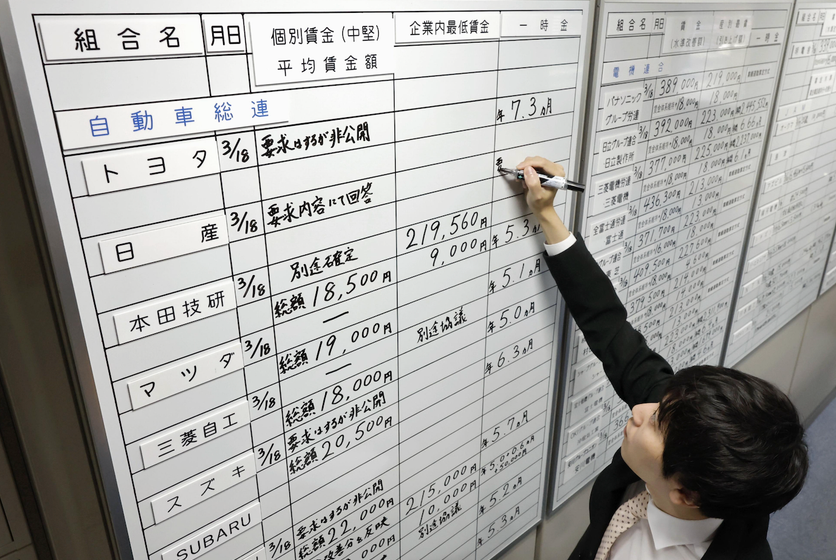
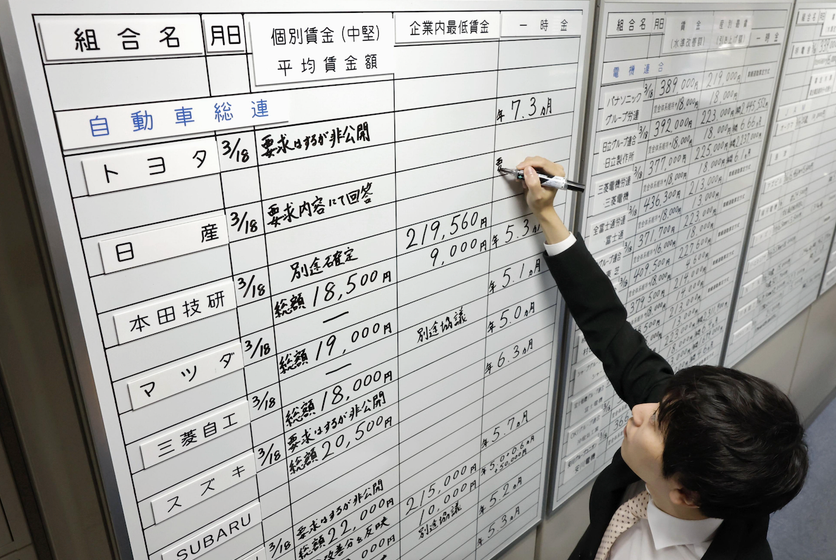
- Toyota agreed to substantial wage and bonus increases for employees
- Hitachi, Mitsubishi Electric, NEC, and Fujitsu accepted full union demands
- Mazda and Mitsubishi Motors concluded negotiations early with full agreement
These companies are setting benchmarks that often influence smaller firms across the country.
Why Are Japanese Firms Increasing Wages?
Labor Shortages
Japan is facing a shrinking workforce due to an aging population. Companies are increasing salaries to attract and retain talent.
Rising Inflation
Higher living costs are pushing unions to demand better wages, and firms are responding to maintain employee satisfaction.
Government Pressure
Authorities have been encouraging companies to raise wages to stimulate domestic consumption and economic growth.
Impact on Japan’s Economy
The wage hikes are expected to have multiple economic effects:
Boost in Consumer Spending
Higher incomes can increase household spending, supporting economic recovery.
Shift in Monetary Policy
Sustained wage growth may allow the central bank to continue moving away from ultra-loose monetary policies.
Pressure on Small Businesses
While large firms can afford higher wages, smaller companies may struggle to keep up, widening the wage gap.
Challenges Ahead
Despite the positive trend, uncertainties remain:
- Rising global tensions and energy prices could affect corporate profits
- Real wage growth may still lag behind inflation
- Sustainability of wage increases in the long term is uncertain
Experts are closely watching whether this wage growth trend will continue in the coming years.
Conclusion
The 2026 spring wage negotiations mark another milestone in Japan’s economic transformation. With major firms offering large pay hikes, the country is moving toward a more dynamic wage environment after decades of stagnation.
However, the key challenge remains ensuring that these benefits extend beyond large corporations to the broader workforce, supporting long-term economic stability.