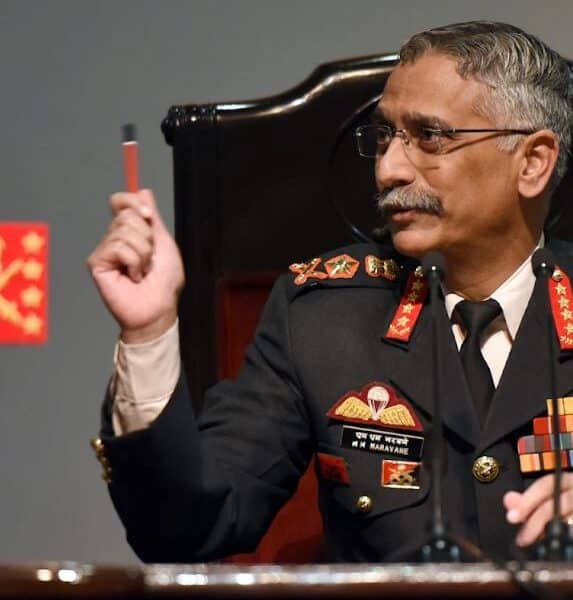

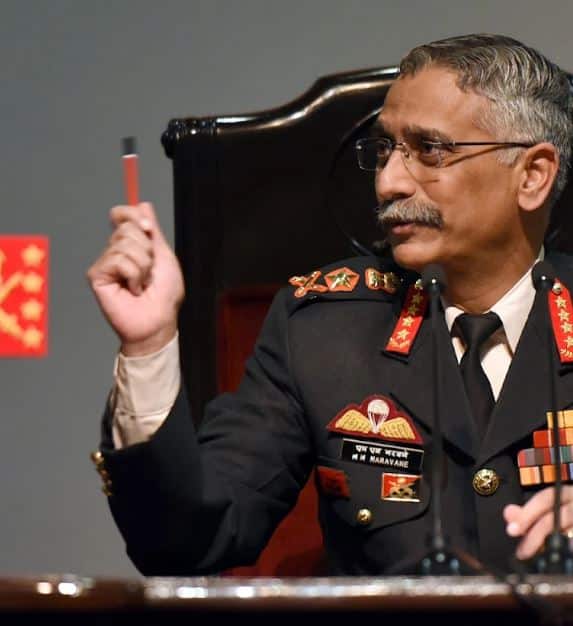
In his unpublished memoir Four Stars of Destiny, former Indian Army Chief General Manoj Mukund Naravane recounts a tense night that sheds new light on the India China border crisis in eastern Ladakh. The episode, set on 31 August 2020, highlights the uncertainty and pressure faced by military leadership during one of the most volatile phases of the standoff along the Line of Actual Control.
A Night of Escalation on the Kailash Range
At around 8.15 pm, Lieutenant General Yogesh Joshi, then head of the Army’s Northern Command, received alarming intelligence. Chinese tanks, backed by infantry, were moving up a steep track toward Rechin La, close to Indian positions on the strategically crucial Kailash Range.
Indian forces had captured the high ground only hours earlier in a high risk manoeuvre aimed at gaining tactical advantage. In this terrain, every metre of elevation meant strategic dominance, making the approaching Chinese armour a serious threat.
Warning Shots but No Retreat
Indian troops fired an illuminating round as a warning signal. The Chinese advance did not stop. The tanks continued moving closer to Indian positions, escalating fears of a direct military confrontation.
Recognising the gravity of the situation, General Naravane began urgent consultations with India’s top political and security leadership. Among those he contacted were Defence Minister Rajnath Singh, National Security Advisor Ajit Doval, Chief of Defence Staff General Bipin Rawat, and External Affairs Minister S Jaishankar.
“What Are My Orders?”
Naravane writes that his message to each leader was direct and urgent. He repeatedly asked, “What are my orders?” The Army Chief faced a critical operational dilemma.
Standing protocols were clear. Troops were not authorised to open fire without approval from the highest political level. Despite the rapidly deteriorating ground situation, no immediate directive was issued.
Minutes That Felt Like Hours
As time passed, the pressure mounted. At 9.10 pm, Lieutenant General Joshi called again with an update. The Chinese tanks were now within less than a kilometre of the pass.
By 9.25 pm, Naravane once again reached out to Defence Minister Rajnath Singh, seeking explicit operational clearance. According to the memoir, no clear order came.
Strategic Restraint or Political Hesitation
The account raises critical questions about civil military decision making during the Ladakh crisis. It reflects the tension between strategic restraint and the need for rapid battlefield responses when facing an advancing adversary.
Naravane’s narrative offers a rare insider perspective on how close the situation may have come to open conflict, and how communication gaps at the highest levels can shape military outcomes.
Why This Moment Matters Today
The India China Ladakh standoff remains a defining national security challenge. Revelations from senior military leadership add depth to public understanding of how the crisis was managed behind closed doors.
As debates continue over border preparedness and political messaging, Naravane’s recollection stands as a moment of truth in India’s contemporary military history, underscoring the weight of command decisions made in minutes that can alter the course of geopolitics.