

Modi government prioritises cutting edge sectors while maintaining fiscal discipline
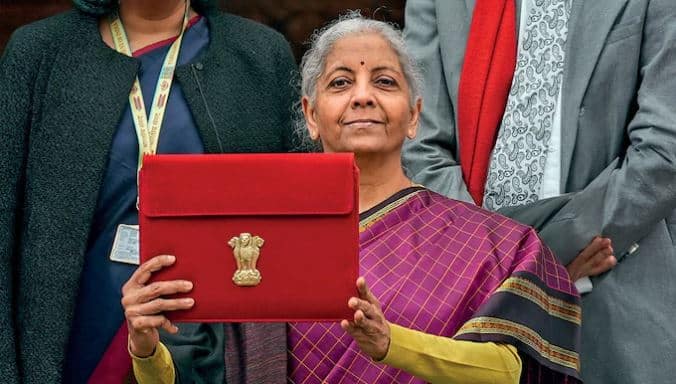
The Union Budget 2026-27, presented by Finance Minister Nirmala Sitharaman, marks a strategic shift toward future ready industries aimed at transforming India into a global economic powerhouse. Instead of headline grabbing populist announcements, the budget focuses on long term structural growth driven by innovation, technology, and skills.
Fiscal Discipline Remains a Core Priority
Despite increased investments in emerging sectors, the government has maintained a strong grip on public finances. The fiscal deficit target has been projected at 4.3 percent of GDP for FY27, signalling a commitment to macroeconomic stability while funding growth initiatives.
This balance between spending and discipline reinforces investor confidence and supports India’s global economic positioning.
Strategic Push for New Economy Sectors
A key highlight of the budget is the targeted push toward ten cutting edge sectors expected to shape India’s economic future. Among the most prominent are biopharma, semiconductors, and rare earth minerals.
These industries are seen as strategic for national security, manufacturing independence, and integration into the global value chain. The government aims to build domestic champions that can compete internationally while reducing reliance on imports.
Orange Economy Gets Formal Recognition
For the first time, the budget formally recognises the orange economy, referring to online content creators, digital artists, and creative entrepreneurs.
By acknowledging content creation as an economic pillar, the government positions it as a major source of employment, exports, and digital innovation. This move reflects the growing influence of India’s creator ecosystem in the global digital marketplace.
Linking Jobs with Skills
Another major pillar is the integration of employment generation with skill development. The budget reframes education as productive infrastructure that supports a services led economy.
Instead of focusing only on building institutions, the emphasis is on creating interconnected academic ecosystems that align industry needs with workforce capabilities.
Infrastructure and Connectivity Expansion
The third strategic focus area is logistics, construction, and transport infrastructure. The government plans to transform Tier 2 and Tier 3 cities into emerging economic hubs.
Cities with populations above 500000 will benefit from infrastructure expansion designed to decentralise growth and reduce pressure on metros.
Seven High Speed Corridors Planned
To power this regional expansion, the budget proposes seven high speed corridors. These corridors aim to improve connectivity, expand labour mobility, and enable transit oriented development.
Improved transport networks are also expected to unlock real estate growth, enhance supply chains, and attract industrial investments in smaller cities.
Vision of Viksit Bharat
Overall, the Union Budget 2026-27 reflects the Modi government’s long term vision of Viksit Bharat, built on technology leadership, skilled manpower, and modern infrastructure.
By investing in futuristic sectors while preserving fiscal stability, the budget lays a roadmap for sustainable growth and stronger global competitiveness.