

How one woman’s resistance sparked a long standing anti uranium mining movement in Meghalaya
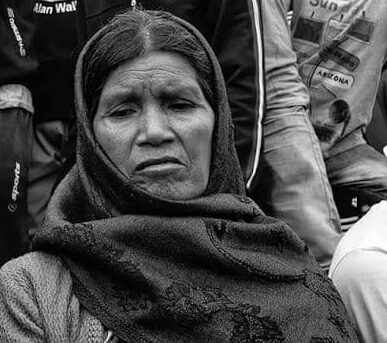
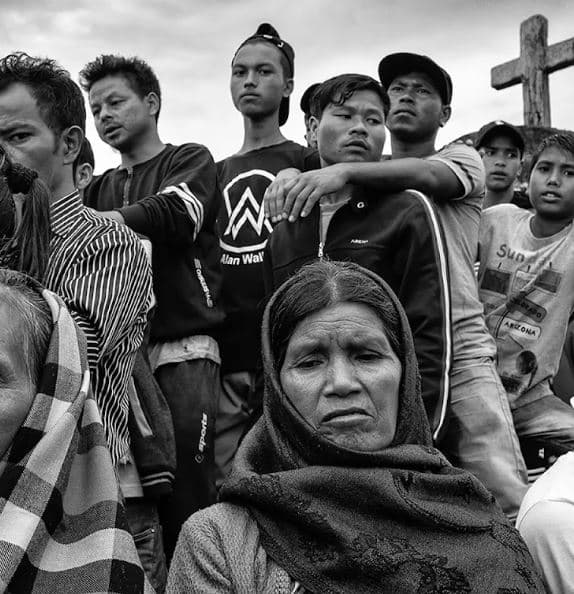
The fight against uranium mining in West Khasi Hills is not just an environmental issue but a powerful story of community resistance, indigenous rights, and land protection. The photobook Em No Nahin, published by Yaarbal Books, documents this civic struggle through images, testimonies, and field notes captured over nearly two decades.
The Story Behind Em No Nahin
Created by late documentary filmmaker Tarun Bhartiya, the book brings together photographs and previously unpublished writings from 2006 to 2023. Bhartiya, also cofounder of the webzine Raiot, dedicated years to documenting grassroots movements in Meghalaya.
The work was first exhibited at the National Photography Festival, only weeks before Bhartiya’s passing on 25 January 2025. The afterword, written by rights activist Angela Rangad, adds personal and political depth to the narrative, tracing the roots and evolution of the anti mining resistance.
Kong Spillity Lyngdoh Langrin’s Defining Stand
At the heart of the story stands Kong Spillity Lyngdoh Langrin, a 90 year old resident of Domiasiat. When authorities sought access to uranium deposits beneath her land, she refused permission outright.
Her response was simple yet historic. A firm “em” meaning no. This refusal became the moral and symbolic foundation of the anti uranium mining movement in the region.
Langrin owned large tracts of hills believed to contain high grade uranium. Her decision transformed a local land dispute into a wider civic and environmental struggle.
Early Roots of Uranium Mining Plans
Plans for uranium extraction in Meghalaya date back to the 1980s, when exploratory drilling began in Domiasiat. Concerns about radiation, environmental degradation, and displacement of indigenous communities surfaced early.
By the 1990s, mounting public pressure forced authorities to shelve mining proposals. However, the issue resurfaced years later.
Public Protests and Civil Resistance
In 2007, the first public hearing on uranium mining was held in Nongbah Jynrin. The event triggered widespread protests led by the Khasi Students Union and local youth organisations from West Khasi Hills.
Demonstrators raised concerns about health risks, water contamination, and the long term ecological impact of uranium extraction. The message from the community was clear and unified in opposition.
Land, Identity, and Environmental Justice
The resistance in West Khasi Hills goes beyond mining. It reflects the deep connection between indigenous communities, their land, and cultural identity.
For many residents, uranium mining represents a threat not only to the environment but also to traditional ways of life. Bhartiya’s documentation captures this intersection of ecology, politics, and human rights.
A Visual Archive of Resistance
Through stark imagery and lived testimonies, Em No Nahin serves as both a memorial to Bhartiya’s work and a historical archive of civic courage.
The book preserves the voices of villagers, activists, and community leaders who stood firm against industrial extraction. It highlights how one act of defiance by Kong Spillity Lyngdoh Langrin helped galvanise a movement that continues to shape debates on uranium mining in India.