US Strikes Iran Near Strait of Hormuz With 5,000-Pound Bunker Buster Bombs: What It Means for Global Security

Introduction
Tensions in the Middle East have escalated sharply after the United States launched powerful airstrikes on Iranian missile sites near the Strait of Hormuz, using 5,000-pound “bunker buster” bombs. The move marks a major military escalation in the ongoing Iran conflict and raises serious concerns about global oil supply and geopolitical stability.
What Happened?
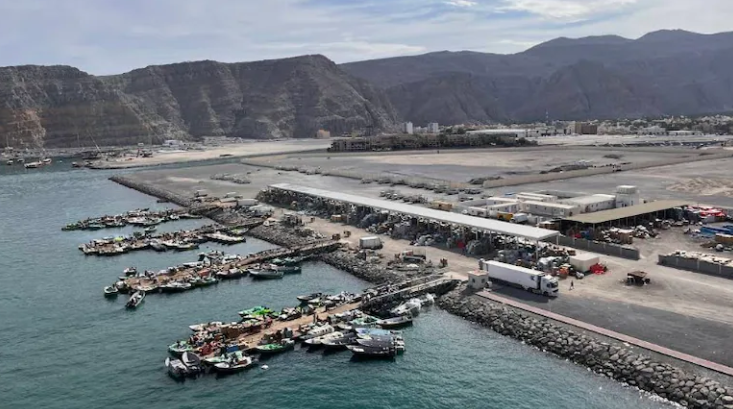
According to official statements, US forces targeted hardened Iranian missile installations along the coastline near the Strait of Hormuz using deep penetrator munitions among the most powerful conventional weapons in the US arsenal.
- The strikes focused on anti-ship cruise missile sites
- These weapons were considered a threat to international shipping routes
- The operation is seen as an attempt to reopen the vital shipping lane
Why the Strait of Hormuz Matters
The Strait of Hormuz is one of the most critical chokepoints in the world:
- Handles nearly 20% of global oil supply
- Connects the Persian Gulf to international markets
- Any disruption directly impacts global energy prices
Iran had reportedly restricted or blocked movement in the strait, leading to major disruptions in oil transport and a surge in prices worldwide.
What Are “Bunker Buster” Bombs?
The US used 5,000-pound deep penetrator bombs, often referred to as bunker busters:
- Designed to destroy underground or heavily fortified targets
- Capable of penetrating deep into hardened structures
- Used against missile bunkers and hidden military facilities
Their deployment signals that the US was targeting deeply buried Iranian missile infrastructure, not just surface-level assets.
Why Did the US Launch the Strike?
The US military stated that the targeted Iranian missile systems posed a serious risk to global maritime traffic, especially oil tankers passing through the strait.
Key reasons include:
- Protecting international shipping routes
- Preventing further escalation in maritime attacks
- Restoring flow of oil and trade
Iran’s Response and Global Impact
Iran has responded strongly, with reports indicating:
- Continued restrictions in the Strait of Hormuz
- Warnings that the situation will not return to “pre-war conditions”
- Ongoing regional tensions involving multiple countries
The conflict has already led to:
- Rising global oil prices
- Increased military presence in the Gulf
- Heightened fears of a wider regional war
Global Reactions
The escalation has triggered mixed international reactions:
- Some US allies have hesitated to join the operation
- Concerns are growing about economic fallout and supply chain disruptions
- Calls for diplomatic resolution are increasing worldwide
Conclusion
The US airstrikes near the Strait of Hormuz mark a critical turning point in the ongoing Iran conflict. By targeting key missile infrastructure, the US aims to secure global shipping routes—but the move also risks further escalation.
With oil markets, global trade, and regional stability at stake, the coming weeks will be crucial in determining whether the situation stabilizes or spirals into a broader conflict.