
Pakistan has stepped up its diplomatic efforts to mediate between the United States and Iran, with Prime Minister Shehbaz Sharif and Army Chief Asim Munir concluding key international visits aimed at reviving stalled peace talks.
These high-level engagements come at a critical moment as tensions remain high despite a fragile ceasefire between Washington and Tehran.
Background: Fragile Ceasefire and Failed Talks
Recent negotiations between the US and Iran in Islamabad failed to produce a final agreement, although they helped narrow differences between the two sides.
- Talks lasted over 20 hours but ended without a deal
- A temporary ceasefire was brokered with Pakistan’s help
- Key issues remain unresolved, including nuclear concerns and regional security
Despite setbacks, both sides have shown willingness to continue dialogue.
Pakistan’s Dual Diplomatic Strategy
Pakistan is pursuing a two-track diplomatic approach:
1. Prime Minister’s Regional Outreach
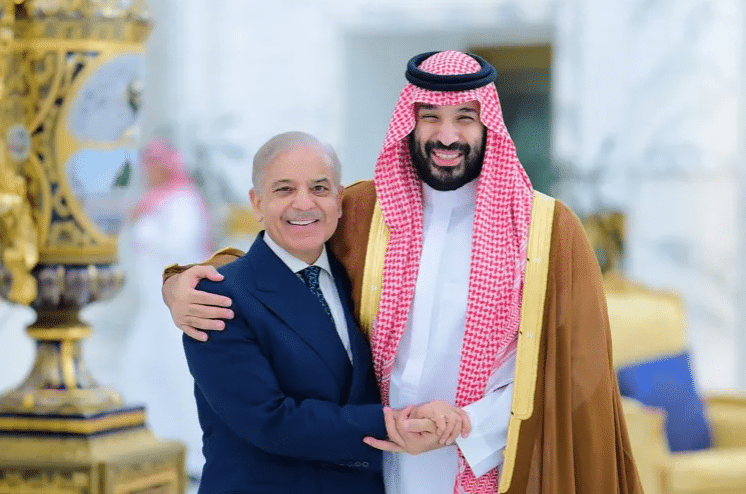
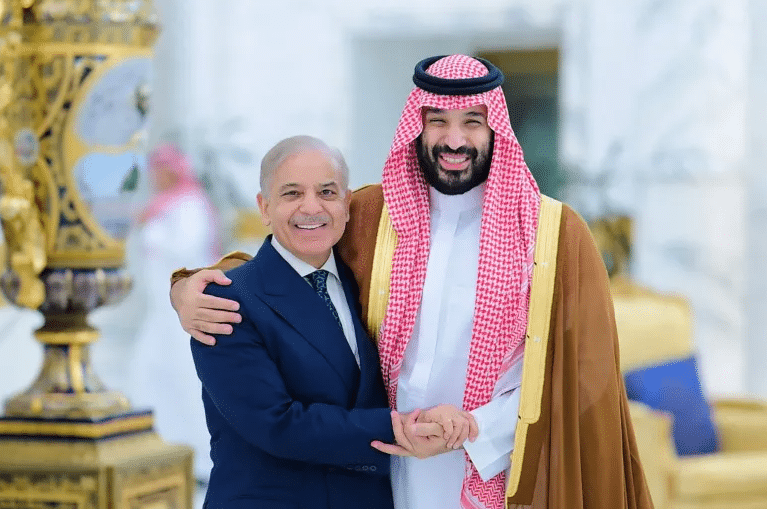
Shehbaz Sharif visited key regional allies, including Saudi Arabia, Qatar, and Turkey, to build consensus and support for continued negotiations.
2. Military-Level Engagement
Army Chief Asim Munir held direct talks in Tehran with Iranian leadership to facilitate the next round of US-Iran discussions.
This coordinated approach highlights Pakistan’s growing role as a mediator in global diplomacy.
Why Pakistan Matters in This Conflict
Pakistan has emerged as a crucial intermediary for several reasons:
- Maintains diplomatic ties with both the US and Iran
- Geopolitical positioning between the Middle East and South Asia
- Ability to engage both civilian and military leadership channels
The country successfully hosted the first round of direct US-Iran talks in 2026, marking a historic diplomatic moment.
Current Situation: Talks Still Uncertain
While efforts are ongoing, uncertainty remains:
- No confirmed date for the next round of talks
- Ceasefire remains fragile and time-bound
- Regional tensions continue to impact negotiations
At the same time, international stakeholders are pushing for continued dialogue to avoid escalation.
Global Implications of US-Iran Talks
The outcome of these negotiations could have far-reaching consequences:
Energy Markets
The conflict has already impacted global oil supply routes, particularly around the Strait of Hormuz.
Regional Stability
Middle East stability depends heavily on resolving US-Iran tensions.
Global Economy
Markets remain sensitive to any escalation or breakthrough in talks.
Recent developments show multiple countries supporting Pakistan’s mediation efforts to ensure long-term peace.
Expert Analysis
Pakistan’s diplomatic push reflects a strategic balancing act:
Opportunity
- Enhances Pakistan’s global diplomatic standing
- Positions the country as a key peace broker
Challenges
- Managing competing interests of global powers
- Ensuring neutrality while maintaining regional alliances
Conclusion
Pakistan’s intensified diplomatic efforts signal a strong commitment to preventing further escalation between the US and Iran. With both political and military leadership actively involved, the country is playing a pivotal role in keeping negotiations alive.
However, the path to a lasting agreement remains uncertain, and the coming days will be crucial in determining whether diplomacy can prevail over conflict.