
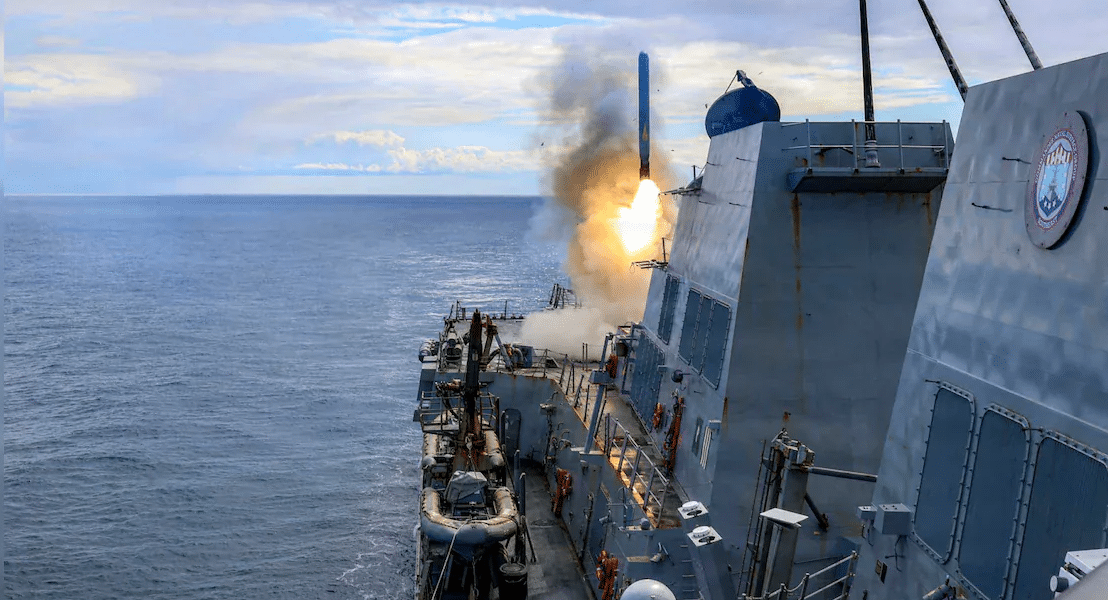
US-Iran War: US Reportedly Burned Through Billions in Advanced Weapons Like Tomahawks and Patriots

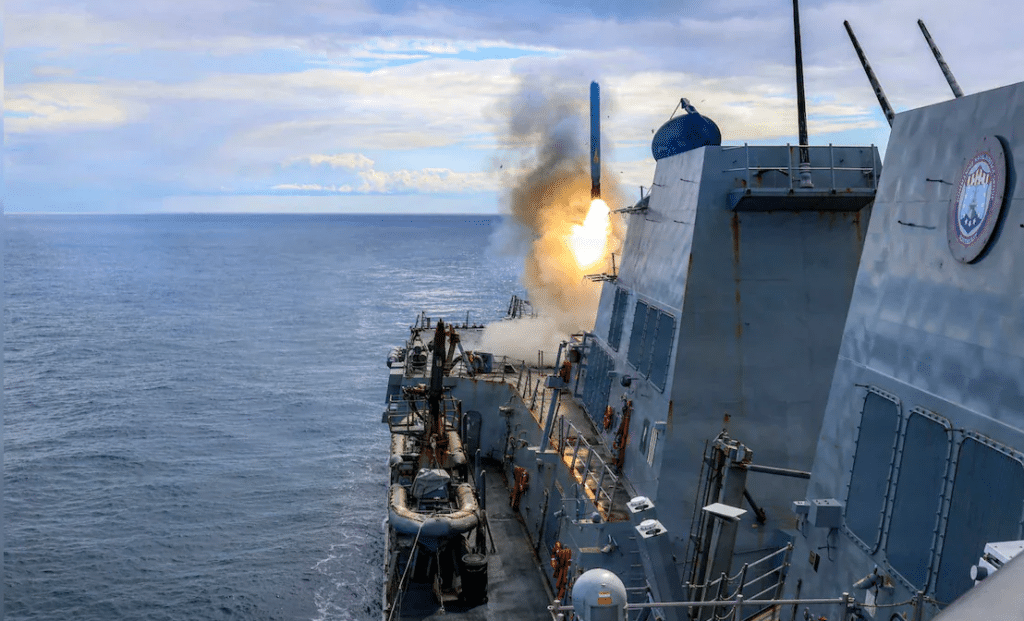
Massive Military Spending Revealed in Iran Conflict
The recent escalation in the US-Iran conflict has reportedly led to an unprecedented consumption of advanced American weapon systems, including Tomahawk cruise missiles and Patriot air defense interceptors, worth billions of dollars.
According to defense reports and media analysis, the United States has used a massive quantity of high-end munitions during its operations in Iran, raising concerns about military readiness and stockpile depletion.
Billions of Dollars in Weapons Used
The scale of weapon usage has surprised even defense analysts.
Key highlights from reports include:
- The US used thousands of precision-guided missiles in a short period
- Early strikes alone consumed around $5.6 billion in munitions in just two days
- Total war expenditure is estimated between $28 billion and $35 billion
- Over 1,000+ Tomahawk missiles were reportedly launched
- Large-scale use of Patriot missile interceptors for air defense
These weapons are among the most expensive and advanced in the US arsenal.
Why This Matters for the US Military
The heavy usage of strategic weapons has raised concerns among military experts for several reasons:
1. Stockpile Pressure
Critical systems like Tomahawk missiles and Patriot interceptors are not produced quickly. Replacing them can take years, not months.
2. Future War Readiness
Defense analysts warn that depleted inventories could affect readiness in potential conflicts involving major global powers.
3. High-Cost Warfare Model
Modern warfare is increasingly expensive, with each missile costing millions of dollars per strike, making sustained conflict financially and logistically challenging.
Strategic Concerns Raised by Analysts
Experts suggest the Iran conflict highlights a deeper issue:
The US relies heavily on high-cost precision weapons
Production rates are slower than wartime consumption
Stockpiles may not support prolonged multi-front conflicts
Some analysts warn this could impact future strategic planning, especially in scenarios involving China or other major military powers.
Iran Conflict Highlights Modern Warfare Reality
The war also reflects a broader shift in military strategy:
- High-tech missile warfare replacing traditional combat
- Massive dependence on long-range strike systems
- Rapid depletion of advanced stockpiles in short conflicts
This raises questions about how future wars will be fought and sustained.
Final Takeaway
The US-Iran conflict is not just a geopolitical escalation it is also a stress test for modern military logistics.
While the US retains one of the world’s most powerful militaries, the rapid use of billions of dollars in weapons highlights a critical challenge:
Advanced weapons are powerful but not limitless.