

Introduction
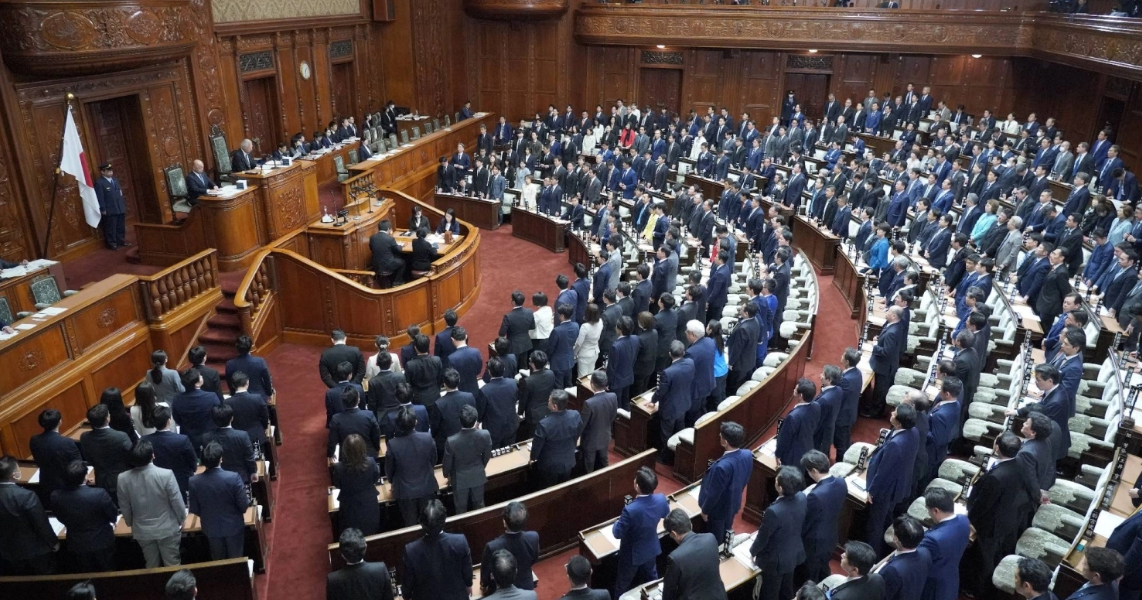
Japan is preparing for a major overhaul of its immigration system, with plans to significantly increase visa and residency related fees. The move comes at a time when the country is facing a demographic crisis and rising dependence on foreign workers.
While officials say the changes are necessary to modernize the system, critics argue they could make Japan less accessible to low-income migrants.
What Changes Are Being Proposed?
Under the proposed reforms:
- Visa renewal fees could rise sharply, with long-term visas costing up to ¥70,000
- Permanent residency applications may increase to around ¥200,000, compared to much lower current rates
- Fee ceilings may be raised further, allowing future adjustments
These changes are part of amendments to Japan’s immigration laws aimed at restructuring fee systems.
Why Is Japan Increasing Immigration Fees?
1. Administrative Costs and Modernization
The government says higher fees will help cover:
- Immigration processing costs
- Staffing and infrastructure
- Digital systems and border controls
2. Aligning with Western Countries
Japan’s current immigration fees are relatively low compared to Western nations. The increase aims to bring them in line with global standards
3. Managing Immigration Flow
Higher fees may act as a filter, ensuring that migrants entering Japan are financially stable.
Impact on Foreign Workers and Students
Japan has seen a surge in foreign residents and workers in recent years, driven by labor shortages.
- Foreign population crossed 4 million in 2025, a record high
- International student numbers are also rising rapidly
Potential Effects:
- Increased financial burden on workers and students
- Reduced accessibility for low-income migrants
- Higher costs for companies hiring foreign talent
Criticism and Concerns
The proposed fee hike has sparked criticism:
1. “Barrier to Entry” Argument
Critics say the policy may discourage skilled and low-income workers alike, especially when Japan actually needs more labor.
2. Social Inequality
Higher fees could disproportionately impact migrants from developing countries.
3. Contradiction in Policy
Japan faces a shrinking population and labor shortages, yet stricter and costlier immigration rules may reduce inflow.
Some analysts argue this reflects a broader strategy of selective immigration favoring highly skilled workers over others
Balancing Immigration and Demographics
Japan is dealing with a rapidly aging population and declining workforce.
- The country may face a massive labor shortage by 2040
- Immigration is seen as a key solution, but policies remain cautious
This creates a policy dilemma:
How can Japan attract foreign workers while tightening immigration rules?
Global Context: A Shift in Immigration Policies
Japan is not alone in revising immigration systems. Many countries are:
- Increasing visa fees
- Tightening border controls
- Prioritizing skilled migrants
This reflects a global trend toward controlled and selective migration systems.
Conclusion
Japan’s decision to raise immigration fees marks a significant shift in its approach to foreign workers and global mobility.
While the move may help modernize the system and manage immigration flows, it also raises important questions about accessibility and inclusivity.
As Japan navigates its demographic challenges, the success of this policy will depend on whether it can strike the right balance between economic needs and immigration openness.